The Big Picture: Why Preparation Beats Panic
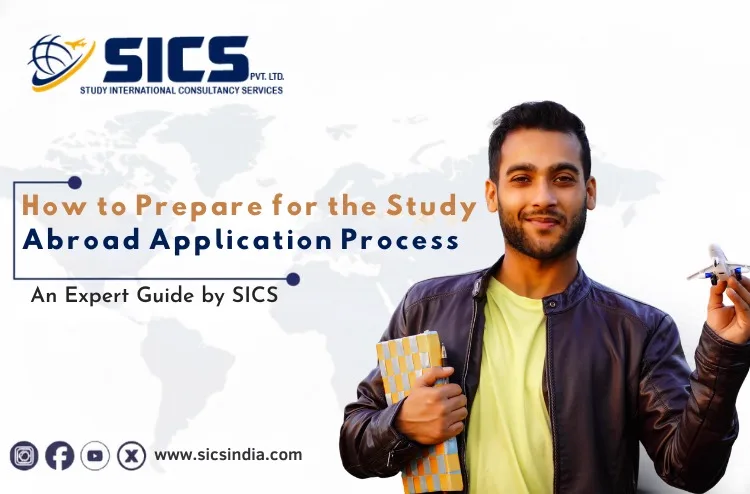
Every year, thousands of ambitious students lose out on their dream offer — not because they weren't good enough, but because they started too late. A study abroad application isn't a single event; it's a 12–18 month pipeline of decisions that compound on each other.
The students who get in comfortably are rarely the most 'gifted' — they're the ones who reverse-engineered their timeline from the intake date backwards.
Build Your Reverse Timeline
Start from your intended intake and count backwards. For a Fall intake (September), your effective planning window should open 12–14 months prior.
- Months 12–10: Shortlist countries & courses, book exam dates (IELTS/PTE/GRE/GMAT)
- Months 10–8: Sit exams, draft SOP/LOR, finalise 6–8 universities
- Months 8–6: Submit applications, track portals weekly
- Months 6–4: Receive offers, accept conditional offer, arrange finances
- Months 4–2: Apply for visa, book accommodation & flights
- Month 1: Pre-departure briefing, forex, packing
Choosing Country & Course Before Anything Else
Your country and course choice dictate everything downstream — exam requirements, budget, visa complexity and even the tone of your SOP. Don't pick a country because a friend went there; pick it because the course, cost and post-study work rights align with your career goal.
Cracking the Exams That Gate Your Application
Most destinations require an English proficiency score (IELTS, PTE, TOEFL, Duolingo) and, for certain programs, a standardised test (GRE/GMAT/SAT). Book your exam slot the moment you decide on intake — popular centres fill up 6–8 weeks in advance during peak season.
"A rushed exam score is the single most common reason a strong profile gets a weak offer."
The Document Checklist Nobody Warns You About
- Academic transcripts & mark sheets (attested where required)
- Statement of Purpose tailored per university, not generic
- 2–3 Letters of Recommendation from relevant faculty/employers
- Updated resume/CV in the destination-country format
- Passport valid for at least 18 months from intake
- Financial documents: bank statements, loan sanction or sponsor affidavit
Writing an SOP That Doesn't Read Like a Template
Admissions officers read hundreds of SOPs a week. The ones that stand out tell a specific story: a moment that sparked interest in the field, a gap you identified, and a concrete plan for how this exact program closes that gap. Avoid generic openers like 'Since childhood, I have been fascinated by...' — start with a scene, not a cliché.
Financing: Sort This Before You Apply, Not After
Universities and visa officers both want to see credible proof of funds early. Whether it's an education loan, a blocked account or a sponsor's income proof, start the paperwork the moment you shortlist universities — not after you get an offer.
The Visa Stage: Precision Over Speed
Visa refusals are almost always about documentation gaps or inconsistent financial narratives — not about the applicant's genuineness. Cross-check every number across your bank statements, loan sanction letter and visa form before submission.
Final Word
The application process rewards students who treat it like a project with milestones, not a form to fill in a weekend. Start early, track everything, and lean on a counsellor who has seen a thousand files before yours.
Ready to take the next step?
Talk to a SICS counsellor and turn this guide into a personal action plan.